Railway Children to Present at Skoll 2026
Railway Children will join partners from the Rooted Futures collaboration at the 2026 Skoll World Forum to lead an interactive session on family strengthening and child protection reform.
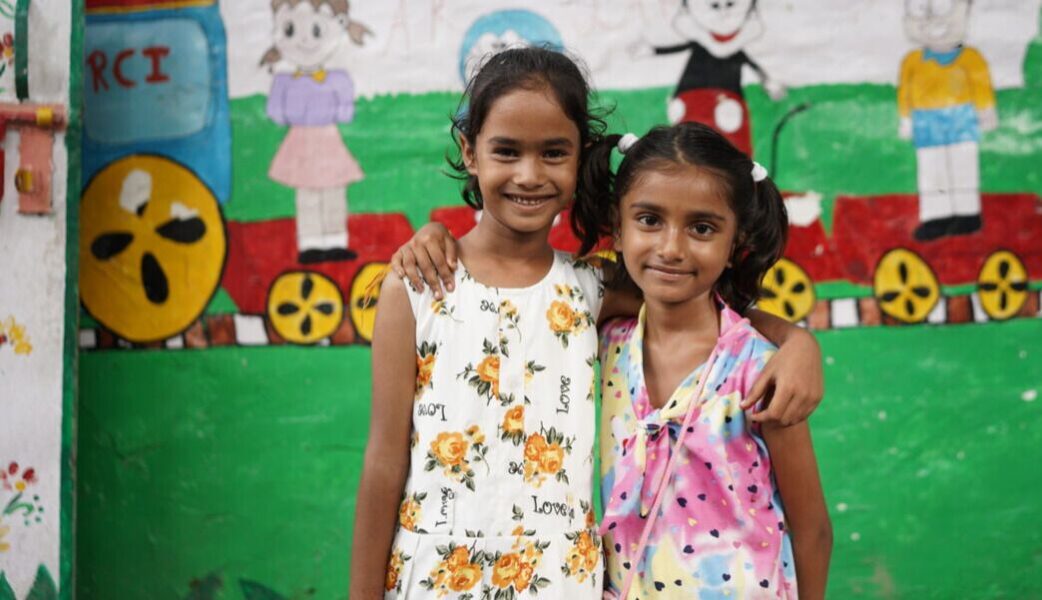
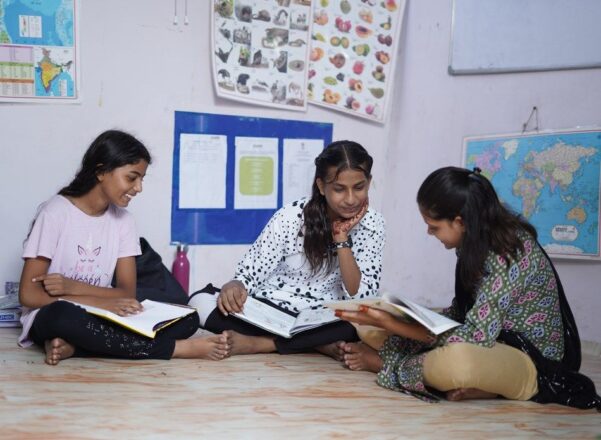
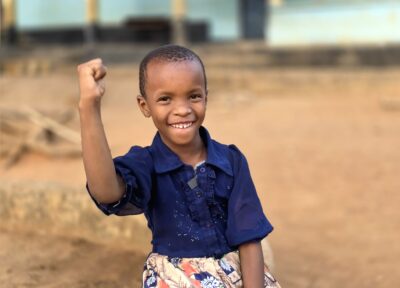
Adolescent Girls Groups provide a safe, supportive environment where girls can speak openly, build confidence, and take steps toward shaping their futures.
In Child Activity centres across India, Railway Children India is creating safe spaces for girls to learn about important women’s health and safety topics and form vital support systems.
Date: 11th October 2024
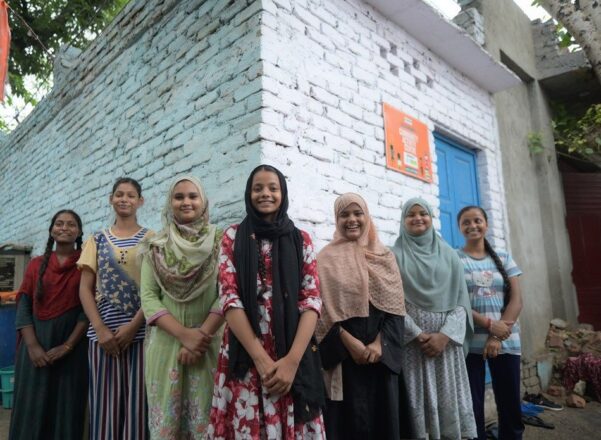
The Adolescent Girls Group is a cornerstone of the Children’s Activity Centres in India, aimed specifically at empowering girls aged 13-18.
These groups create a safe space where girls can openly express themselves and engage in conversations that may be difficult to have at home, around things like menstrual hygiene, personal safety, and other issues relevant to adolescent girls.
In many of the communities we serve, sensitive topics like menstruation and personal safety are often stigmatised, leaving girls feeling isolated and unprepared.
By offering this group, Railway Children India ensure girls have a platform to voice their concerns and access vital information, empowering them to lead confident, informed lives.
These discussions help girls to address immediate needs while advocating for long-term change.
Menstrual health is a critical focus of Railway Children India’s work with adolescent girls.
Many of the girls in their programmes have limited knowledge about safe menstrual hygiene practices and often feel embarrassed when menstruating for the first time.
Through group sessions, girls are provided with essential education on menstrual health, including the safe disposal of sanitary products and regular health check-ups to monitor conditions such as anaemia.
The sessions help break down the stigma and myths surrounding menstruation in these communities, ensuring girls have access to the products and support they need to maintain good health.
One inspiring story is that of Harini, a 15-year-old girl who stopped attending both school and the Adolescent Girls Group when she started menstruating.
She felt embarrassed and unprepared, which caused her to withdraw from her education and social life.
The other girls in the group noticed her absence and decided to visit her at home. After a supportive conversation and some peer encouragement, Harini felt empowered to re-join the group and return to school.
But the work doesn’t stop at the group level. Railway Children India extends its support through regular outreach visits to communities.
These visits aim to educate more adolescent girls on menstrual health, challenge taboos around menstruation and provide medical checks to ensure their overall well-being.
This outreach is essential to reach and support as many vulnerable girls as possible.
Thanks to your support, more girls are being empowered to break barriers and change their futures.
Railway Children will join partners from the Rooted Futures collaboration at the 2026 Skoll World Forum to lead an interactive session on family strengthening and child protection reform.
Over 200 supporters from the rail industry raised more than £60,000 at Railway Children’s Night At The Station event, spending a night in stations across the UK to protect vulnerable children at risk.
Through our flagship youth participation programme, Youth Platform, young people are shaping our training materials, influencing key decisions and ensuring the rail industry truly understand youth vulnerability.
Julia, 24, grew up as a boy but knew, early on, that the gender she’d been born into was not who she was. Here, she talks to Youth Platform about her journey, and what she wishes she’d know as a ten-year-old boy.
Reflecting on the unique strengths different minds bring to Railway Children and the rich potential of the neurodivergent young people we support.
In India, Railway Children is reaching some of the most vulnerable young people through a powerful and proven approach: peer leadership.