
A call for compassion on the rail network during mental health awareness week
Railway Children and Govia Thameslink Railway partner to raise awareness of young people’s mental health across the rail network.
Date: 11/5/2026
As the UK marks Neurodiversity Week (16th – 20th March), we reflect on the unique strengths different minds bring to Railway Children, the rich potential of the neurodivergent young people we support and why we’ve established a Neurodiversity Working Group to ensure every kind of mind can thrive.
Author: Lucy Carman | Date: 17th March 2026
Many are out of education. Many struggle to form stable, trusting relationships. After years of feeling they don’t measure up, many live with poor self-esteem. And it’s these vulnerabilities that can increase the risk of bullying, grooming and exploitation.
That’s why it’s so important, as an organisation set up to protect and strengthen young people, that we find ways of supporting each young person in a way that works for them.
Jack*, a 15-year-old autistic young person we support, found it easier to open up while walking alongside his youth practitioner, Amy, rather than sitting face-to-face. Knowing Amy would be there for as long as he needed meant Jack could build trust gradually. And, with patient, consistent support at his pace, he eventually felt able to return to school, sit (and pass) his GCSEs and is now an active member of our youth participation programme – helping others who are where he once was.
18-year-old Nadiya*, who has ADHD and loves to climb, engaged best when sessions were delivered at a climbing wall. And for 16-year-old Tiana, painting – and assigning colours to different emotions – helped her process her feelings when she couldn’t find the words. This opened up conversations with her youth practitioner so they could find ways forward together.
These approaches aren’t add-ons, but essential adaptations to help untap the potential in every child.
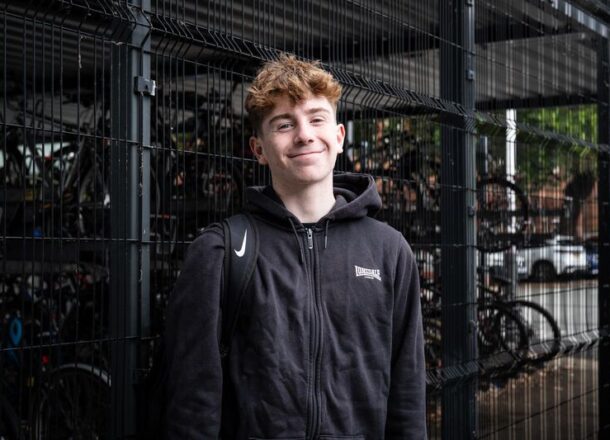
With an estimated 15-20% of the UK population identifying as neurodivergent, it follows that many of our colleagues will be, too.
Through creating an open, supportive culture where neurodiversity can thrive, staff feel able to share their own experiences – from autism and ADHD to dyslexia and OCD. And the collective benefits of these different cognitive styles are clear: together we are more creative, more analytical, more empathic and more innovative than if only neurotypical minds were present.
Railway Children’s Neurodiversity Working Group (NWG), made up of neurodivergent and neurotypical colleagues, was established to ensure we provide the best support we can – both to the young people we work with and as an employer.
We are also delivering and developing external training to equip rail staff with the understanding and tools they need to recognise and respond effectively to neurodivergence within their frontline work.
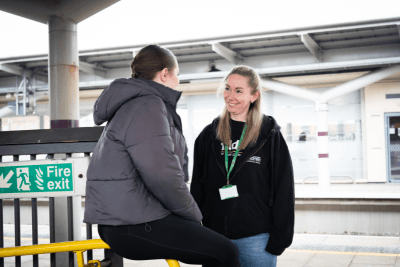
“I’m proud to be autistic, and being part of the NWG has given me the confidence to talk openly about my experiences. It’s a space where we share information, challenge assumptions and learn from each other. Through this involvement, I wrote about my experience of mutism — something that was deeply freeing and surprisingly therapeutic. I hope that by being honest, I can help others feel understood, encourage more open conversations, and show that when neurodivergent people are properly listened to, we bring real value and insight.”
And then there’s the responsibility we have to raise awareness of neurodiversity in society – both to shine a light on the obstacles neurodivergent children face in systems not built for them and to celebrate the powerful contributions that different minds bring.
We do this through sharing case studies, marking national moments (such as Neurodiversity Celebration Week) and speaking out on the issues that matter.
If we’re to challenge the systems and structures that keep children – and adults – isolated, misunderstood and vulnerable, then it’s essential to highlight the barriers and champion the strengths of neurodivergence so that every kind of mind can thrive.
As Rob Capener, Group CEO of Railway Children, explains:
“Neurodiversity brings creativity, insight and resilience – qualities that make us stronger as a charity. By recognising and valuing different ways of thinking, we not only create a better workplace; we deliver better outcomes for young people. That’s why I’m proud to champion our work on neurodiversity across Railway Children.”
Railway Children and Govia Thameslink Railway partner to raise awareness of young people’s mental health across the rail network.
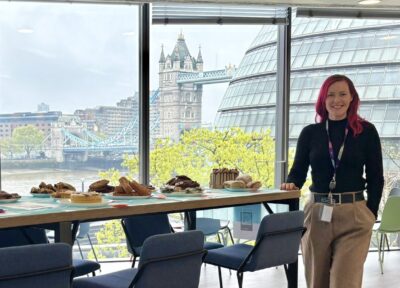
This May and June, Railway Children is giving the rail industry a fun, simple fundraising challenge to bring staff together, spark creativity and boost morale – all while changing the lives of vulnerable children.
Railway Children will join partners from the Rooted Futures collaboration at the 2026 Skoll World Forum to lead an interactive session on family strengthening and child protection reform.
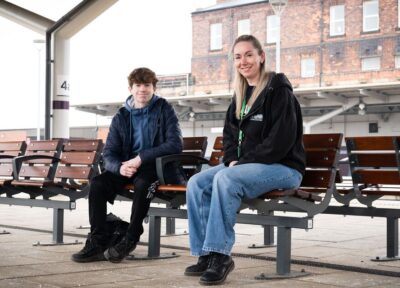
Learn about safeguarding and how it relates to child protection on transport networks.
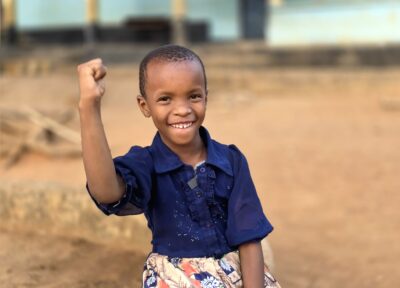
No child wants to survive on the streets. And, through understanding and empowerment, together, we can ensure no child has to.

Julia, 24, grew up as a boy but knew, early on, that the gender she’d been born into was not who she was. Here, she talks to Youth Platform about her journey, and what she wishes she’d know as a ten-year-old boy.
Names changed and models used to protect identities.