Skip to Content

How to cope with constant crisis events in the news

If the news is getting you down, you're not alone. Here are some tips to help you cope.

Home > Blog > Young Voices > How to cope with constant crisis events in the news

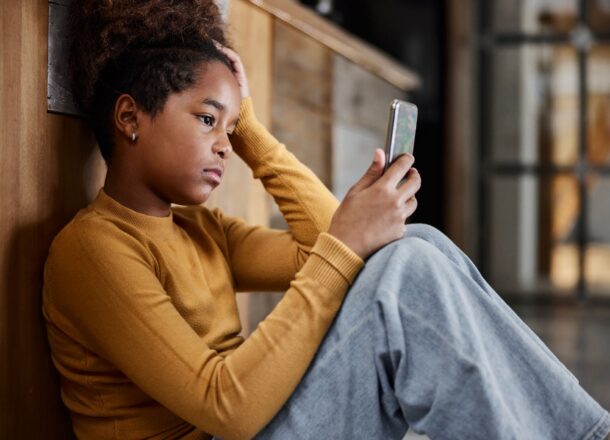
Overwhelmed by the news? You’re not the only one. Wars, disasters, and crises are just a swipe away. The theme of World Mental Health Day 2025 is around mental health access for people in catastrophes and emergencies, as well as the mental health impact of constantly being exposed to news coverage of disaster events. 

In this insightful and honest piece, Alex, 22, explains why young people in particular feel the pressure to “keep up” with every devastating story and why it’s okay to step back and set boundaries.

Author: Alex Appleby | Date: 9th October 2025

The weight of knowing everything

Sometimes, it feels like the world never stops throwing bad news at us.

Wars. Natural disasters. Cost-of-living struggles. Climate change

You open your phone in the morning and there it is, headline after headline, video after video. And before you’ve even had breakfast, your mind’s already racing. 

There’s this growing sense that the world is on fire, and we’re watching through a screen, unable to do anything about it. It can make you feel helpless, anxious, or even numb.  

You often don’t even realise how tense you are until you catch yourself doomscrolling late at night with that tight feeling in your chest. 

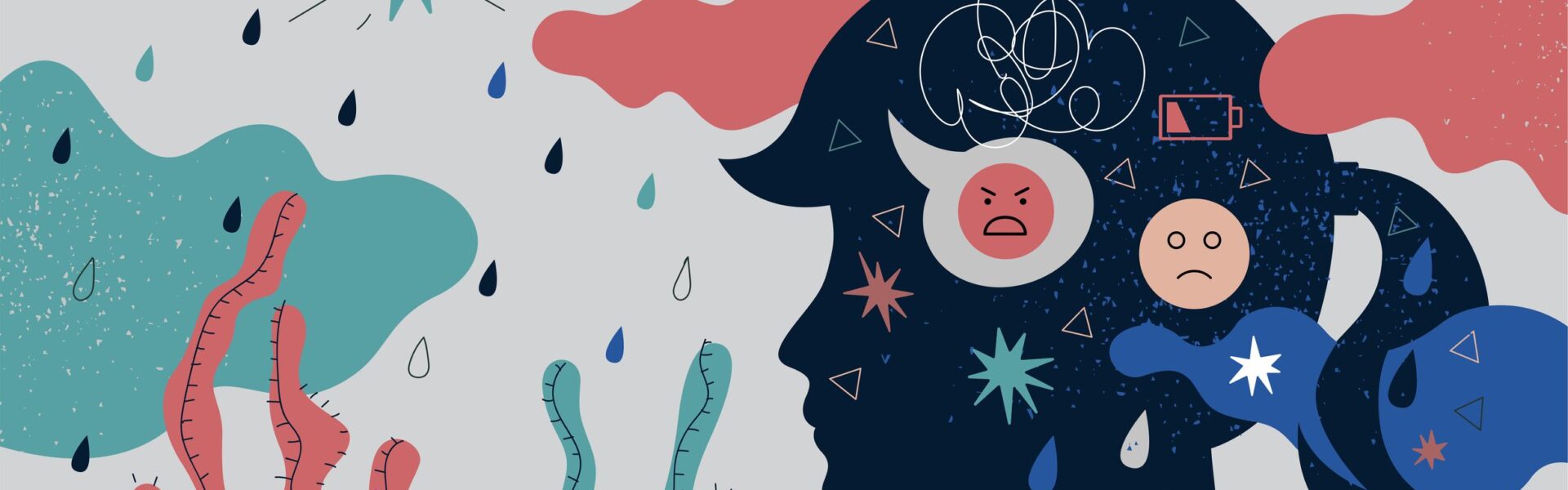
Many young people describe feeling: 

  • Overwhelmed by the sheer volume of bad news 
  • Anxious about the future 
  • Pressured to “keep up” with every story 
  • Numb or disconnected because it’s just too much* 

And honestly? Those feelings make sense. We’re carrying information our brains weren’t designed to handle 24/7. 
 

Why young people are hit hard

 For a lot of us, crises aren’t just stories on the news. They shape the world we’re inheriting — our futures, our safety, our environment.  

 Seeing these events unfold over and over again can build up a quiet sense of fear and instability. 

 There’s also a sense of responsibility. Social media tells us to “stay informed,” and that’s important. But it can feel like if you don’t constantly check, you’re somehow not doing enough.  

 That’s a heavy burden for anyone, let alone young people who are still figuring their place in the world. 

It’s okay to step back

Here’s something we don’t hear enough: It’s okay to set boundaries with the news.

Taking a break doesn’t make you selfish or ignorant. It means you’re protecting your mental health so you can keep caring in a sustainable way. 

Here are some things that can help: 

  • Limit how often you check the news. Maybe once or twice a day instead of constantly scrolling. 
  • Avoid endless scrolling before bed. Give your brain space to rest. 
  • Talk to someone you trust. Saying “I’m feeling overwhelmed” is powerful. 
  • Focus on what you can control. Small acts of kindness, getting involved locally, supporting causes you believe in — they all count. 


You’re not alone

This World Mental Health Day, remember that if the world feels overwhelming sometimes, you’re not weak — you’re human.  

Caring deeply can be heavy, but you don’t have to carry it alone. 

If you’re struggling, reaching out to someone — a friend, a teacher, a helpline — is a sign of strength, not failure. Your mental health matters just as much as the issues happening in the world. 

Do you need help?

If you’re struggling with your mental health, there’s plenty of support out there. 

YoungMinds Textline – Text YM to 85258 for free, 24/7 support from a trained volunteer. 

  • Samaritans – Call 116 123 for free, any time, or visit samaritans.org for online chat and resources. 
  • Childline (for under 19s) – Call 0800 1111 or chat online at childline.org.uk. 
  • The Mix – Support for under 25s via themix.org.uk, phone 0808 808 4994, or text THEMIX to 85258. 

If you ever feel like you might harm yourself or you’re in immediate danger, call 999 or go to A&E. 

Latest stories

More than £84,000 raised as 55 riders complete Ride the Route 2026

The three-day route took cyclists from Ebbsfleet International to Dover, Dover to Brighton and Brighton to London Waterloo, raising vital funds to support vulnerable children.

Date: 14/9/2026

Listen to our BBC Radio 4 Appeal

Railway Children will feature in a special BBC Radio 4 Charity Appeal this September, shining a light on the challenges faced by street children in Tanzania and the life-changing support available through our work.

Date: 11/9/2026

30 Years of Supporting Vulnerable Children Worldwide

Railway Children marked 30 years of supporting vulnerable children with a special parliamentary reception at the House of Commons.

Date: 04/9/2026

Inheritance tax and charitable giving: how leaving money to charity can benefit your family

Discover how charitable giving can reduce inheritance tax, support the causes you care about and potentially leave more for your family and favourite charities.

Date: 13/10/2026

What is kinship care?

Kinship care enables children to stay with relatives or trusted family friends when they cannot live with their parents. Find out why it matters and how Railway Children supports family-based care across the UK, India and Tanzania.

Date: 07/10/2026

Empowering girls through the Adolescent Girls Groups

We’re proud to highlight how our initiatives are empowering young girls in vulnerable communities.

Date: 24/9/2026
Close

Image collage showing young people in the UK, India and Tanzania

Join us

Sign up to receive email updates about our work protecting children around the world, and how you can help to change lives.

You can unsubscribe at anytime.

Sign up

Translate »