
214 children
enrolled or re-enrolled in school with tailored educational support.
For 15–year–old Aarti*, becoming a peer leader meant recognising danger and taking action. When she saw a young girl walking to school alone through unsafe streets, she stepped in. Aarti visited the child’s family, explained the risks, and helped them find a safer solution. Today, that little girl is accompanied to school by her older brother — a simple change that can prevent harm and protect her future.
Aarti is one of many young people transforming their communities through Railway Children’s peer leadership programme, part of our wider work across India’s slum settlements to empower children and strengthen community support networks.
Small actions like Aarti’s — repeated again and again by trained young leaders — are creating a powerful ripple effect. Young people listen to each other, relate to each other, and notice things adults may not. That’s why our peer leadership model is so effective.
Alongside our Child Activity Centres and community outreach work, we equip and encourage peer leaders to support other children, identify risks early, and inspire their peers towards education, wellbeing and brighter futures.
enrolled or re-enrolled in school with tailored educational support.

accessed vocational training that strengthened their skills.

enrolled in government welfare schemes that helped them stay safe in school.
When families struggle to meet basic needs, schooling can feel out of reach. Uniforms and books cost money, and the pressure for children to earn — even a small amount — can be overwhelming. That’s why our Child Activity Centres offer spaces where children can learn, play and stay safe, and why we help families access government schemes that reduce financial barriers.
Through regular sessions at Child Activity Centres, our teams identify young people — aged 12 to 16 — with the empathy, confidence and commitment to lead. These future peer leaders receive training and ongoing guidance to run their own sessions focused on participation, creativity, games, communication and life skills.
“I was nervous at first, thinking ‘How will I manage this responsibility?’ but now I’m really enjoying everything about this role.”
— Disha, peer leader
For peer leaders like Disha, the benefits are twofold.
Training sessions help them develop vital life skills, including communication, negotiation, conflict resolution and relationship building. At the same time, their lived experiences bring authenticity to the sessions they run — enabling them to support their peers in meaningful, relatable ways.
“I enjoy conducting games. But what brings me most joy is listening to the stories of how my friends have implemented the life skills we taught.”
— Disha
While children are having fun, this sustainable model is also strengthening confidence, resilience and empowerment — shaping tomorrow’s leaders from within the community itself.
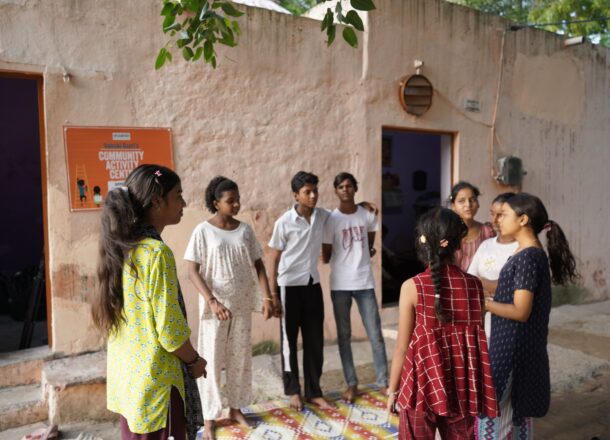
One our favourite activities during peer-led sessions is Know Your Dreams.
Children draw themselves and, in a cloud above, write their dream or future goal. Then they sketch a ladder reaching up toward that cloud. Every rung represents an action — a small, achievable step toward fulfilling that dream.
This simple activity encourages creativity and imagination, while supporting critical thinking, decision-making and problem-solving skills. Most importantly, it gives children permission to envision a brighter future — and a path to get there.
£50 could run a Child Activity Centre in a slum community in India for a month – helping reach vulnerable children and train peer leaders.
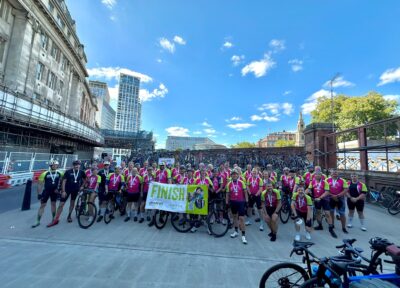
The three-day route took cyclists from Ebbsfleet International to Dover, Dover to Brighton and Brighton to London Waterloo, raising vital funds to support vulnerable children.
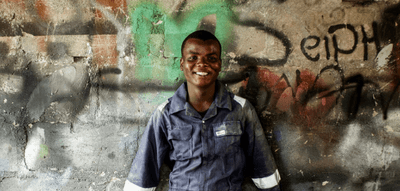
Railway Children will feature in a special BBC Radio 4 Charity Appeal this September, shining a light on the challenges faced by street children in Tanzania and the life-changing support available through our work.
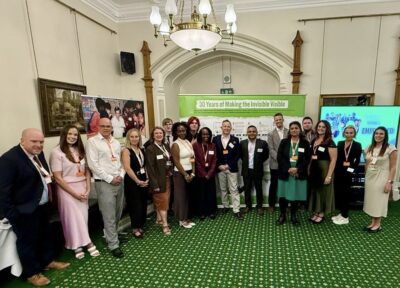
Railway Children marked 30 years of supporting vulnerable children with a special parliamentary reception at the House of Commons.
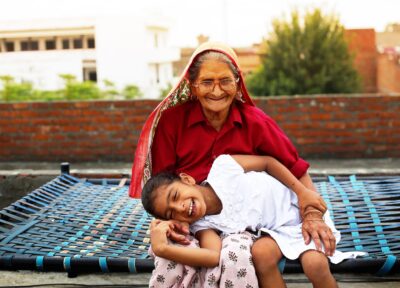
Kinship care enables children to stay with relatives or trusted family friends when they cannot live with their parents. Find out why it matters and how Railway Children supports family-based care across the UK, India and Tanzania.
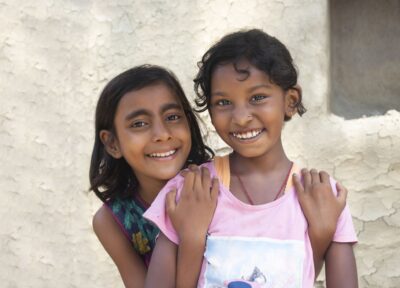
We’re proud to highlight how our initiatives are empowering young girls in vulnerable communities.

Subira is a family project worker for Railway Children in Dar es Salaam, Tanzania. Here is an exploration of her work and the impact that it has as she supports street-connected children and reunites families.
*Name changed