Railway Children to present at Skoll 2026
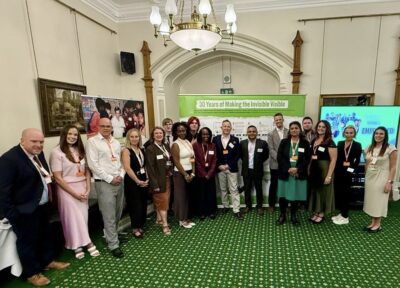
Railway Children will join partners from the Rooted Futures collaboration at the 2026 Skoll World Forum to lead an interactive session on family strengthening and child protection reform.
With the upcoming general election on July 4th, it’s more important than ever to make sure safeguarding children on the rail network is a priority for the next government.
Date: 4th June 2025
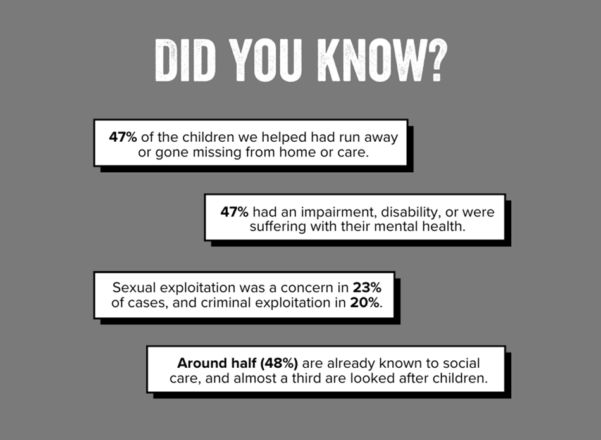
Many are using the railways to run away from home or care. Some may have been groomed or exploited to transport drugs as part of ‘County Lines’ activity. Others are struggling with their mental health and experiencing suicidal thoughts.
The needs and vulnerabilities of these young people are varied and complex, but one thing remains the same – without early intervention, the risk of harm increases.
Our experience tells us that intervening at a critical moment and providing personalised support for children and their families is vital to helping them reach their full potential. Without a safety net in place, these vulnerable young people are more likely to experience negative outcomes later in life, and some, sadly, won’t survive at all.
We’ve already made significant progress working with the British Transport Police and the Department for Transport to influence the development and adoption of the Safeguarding on Rail Scheme across the industry. We hope to continue this vital work – and although we don’t know what the future of the rail industry is, what we do know is that the safety and wellbeing of young people must be taken seriously.
This is why, we are asking the next UK government to:
1. Ensure that legislation and policy relating to safeguarding children within the rail and transport network is strengthened
2. Involve young people in decision-making about safeguarding to make the rail network more youth-friendly.
With a co-ordinated safeguarding response across the national transport network, we can help to prevent crisis, provide urgent help and improve the life chances for some of the country’s most vulnerable young people.
We asked some of the young people we work with why early support is important. This is what they said:
“Early support avoids the path that can lead to darkness.”
“Early intervention means people are less likely to become anti-social or be involved in the wrong groups.”
“Early intervention is important because it prevents young people reaching crisis point and can potentially save a life.”
“It helps people get support before things get worse.”
We also asked young people what the new government should do to keep young people safe on rail and they said:
“Provide ways on how to keep everyone safe, like leaflets and posters.”
“To make the rail safer for young people, there should be more awareness of young people going through barriers without paying as this can cause safety issues such as county lines.”
“Increased police presence on the rail network.”
“More security on trains and in train stations, restrictions on drunk people and punishing anti-social behaviour in groups.”
Railway Children will join partners from the Rooted Futures collaboration at the 2026 Skoll World Forum to lead an interactive session on family strengthening and child protection reform.
Over 200 supporters from the rail industry raised more than £60,000 at Railway Children’s Night At The Station event, spending a night in stations across the UK to protect vulnerable children at risk.
Through our flagship youth participation programme, Youth Platform, young people are shaping our training materials, influencing key decisions and ensuring the rail industry truly understand youth vulnerability.
No child wants to survive on the streets. And, through understanding and empowerment, together, we can ensure no child has to.
Julia, 24, grew up as a boy but knew, early on, that the gender she’d been born into was not who she was. Here, she talks to Youth Platform about her journey, and what she wishes she’d know as a ten-year-old boy.
Reflecting on the unique strengths different minds bring to Railway Children and the rich potential of the neurodivergent young people we support.