A call for compassion on the rail network during mental health awareness week
Railway Children and Govia Thameslink Railway partner to raise awareness of young people’s mental health across the rail network.
Railway Children India and Tanzania teams recently swapped insights on family support, revealing different approaches to engaging families. Read about how our family reintegration work helps families repair and move forward together.
Date: 23th May 2025 | Author: Con Enzler
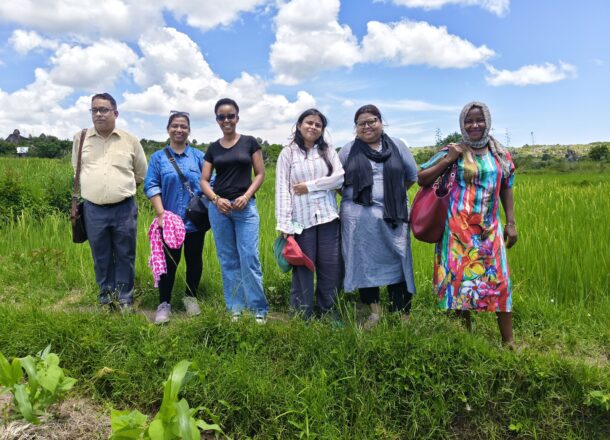
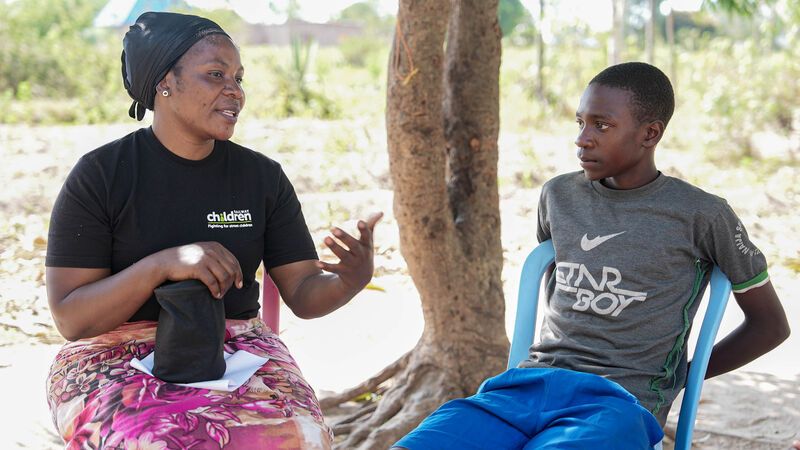
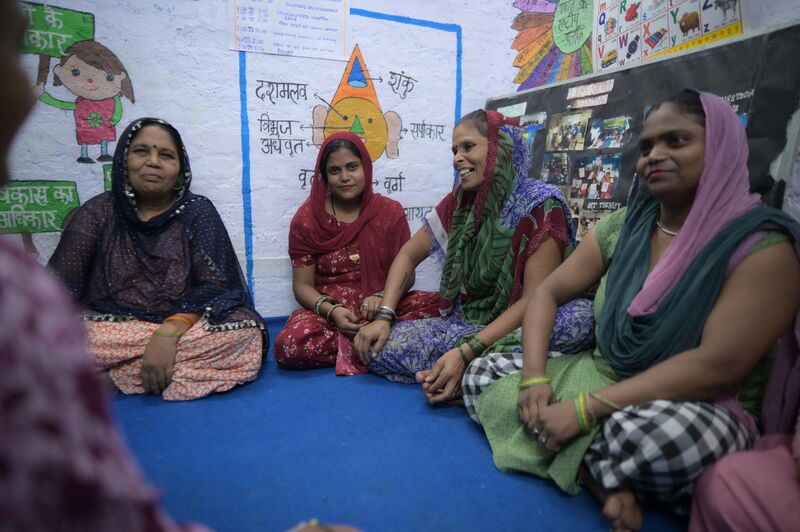
Family case workers and staff members from Railway Children India (RCI) recently visited the Tanzania team’s projects in Mwanza and Dar Es Salaam to exchange learnings around family work.
The RCI case workers visited families supported by Railway Children Africa (RCA) case workers. They also had the chance to visit the social welfare service desks at bus terminals, which offer support to those in need.
Nida Zamani Siddique, Manager of Family Reintegration and Child Safeguarding at Railway Children India, said:
“It was a great opportunity for our care workers to learn directly from the case workers in Tanzania.”
Thanks to this exchange, RCI were able to learn first-hand from the family work in Tanzania, where the family work has been established for longer.
The case workers from both countries exchanges ideas on how to engage with families. For example, they discussed the benefits of using more colour and explored colour therapy as an effective tool for improving people’s physical and mental wellbeing.
“It was interesting to see that in Tanzania, elder people participate in the activities case workers conduct with a lot of zest,” Nida said.
“In Indian culture, older people don’t tend to be very involved in the activities we lead. So it was really valuable learning how we can involve older people more to enhance the interventions,” she explains.
When we identify a child as being vulnerable, our workers assess their needs and determine how best to help them tackle the issues that may be holding them back.
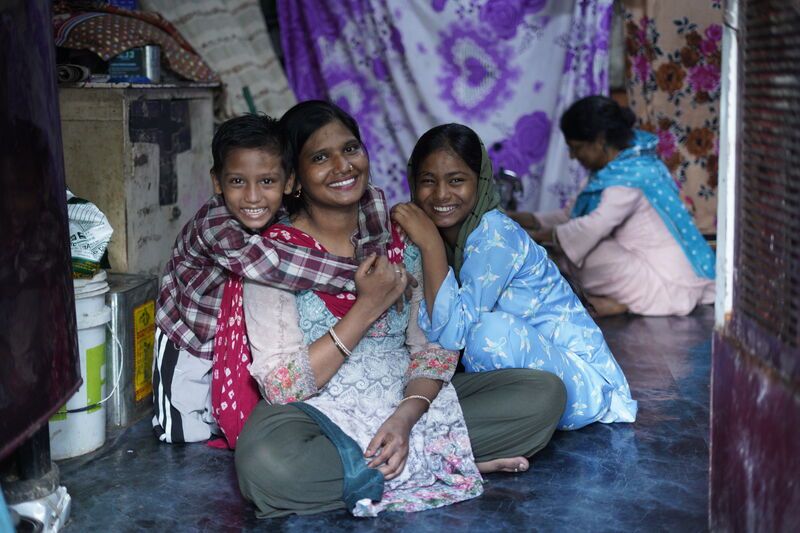
Through family sessions in India and Tanzania, we help strengthen relationships between children and families, improve emotional wellbeing, and create a stable and supportive environment. This approach helps us address the root causes why the child left home and prevent them taking to the streets again.
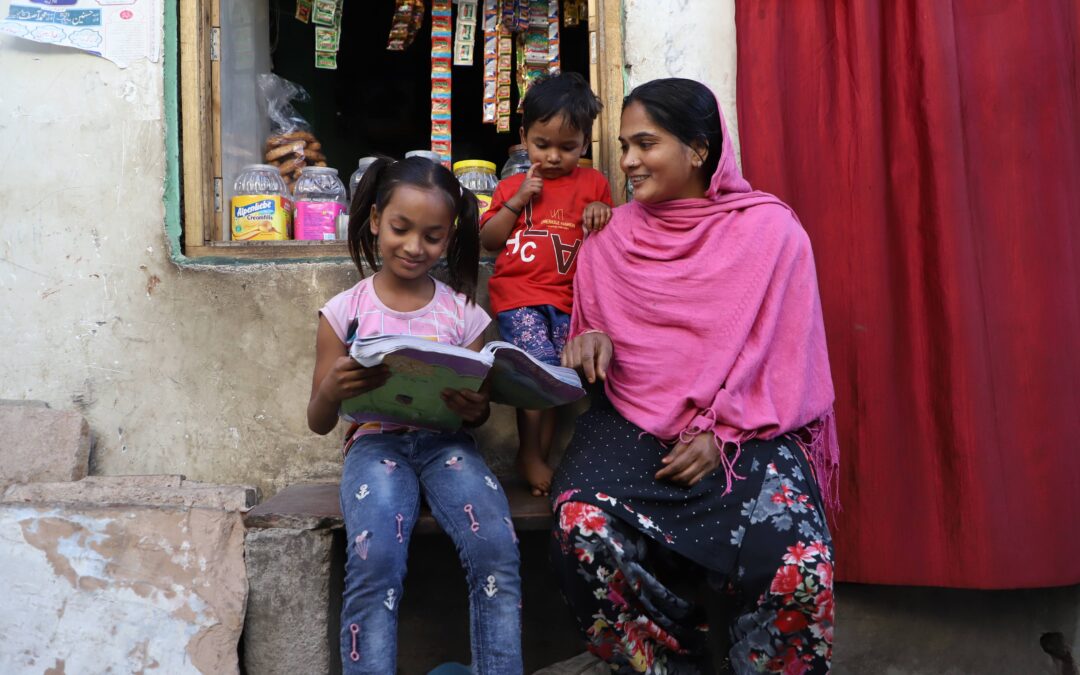
Other sessions focus on helping parents understand the importance of keeping their children in education, or adopting healthier parenting styles and more constructive ways to discipline their children.
In the UK, our youth practitioners support young people’s families with emotional and practical support. They help young people and their relatives talk through their issues, find effective solutions to start to rebuild their relationship.
“Our work is also about providing support to parents,” explains youth practitioner Claire, “There’s a lot of stuff that comes up when we’re working with young people and it’s important for us to support Mum or Dad or the carers so they can advocate for their child and get them what they need.”
While we assess their situation, we work hard to place children in alternative family-based care, so they can be in a safe and loving home and receive emotional support to help them heal from the experiences they have been through.
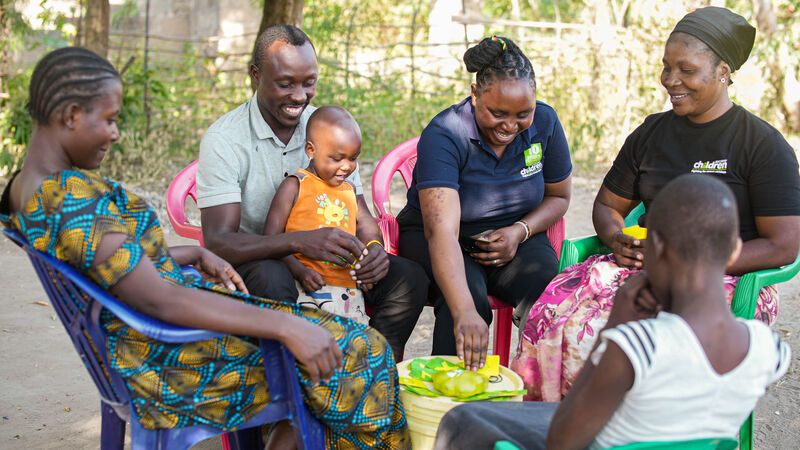
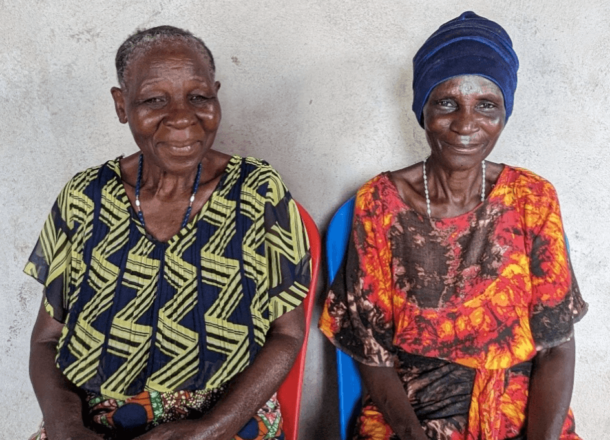
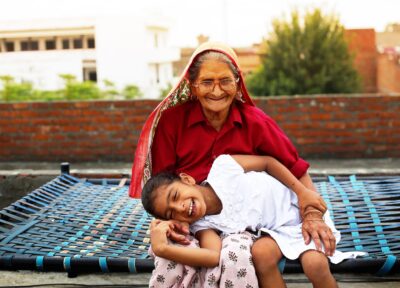
In Tanzania, we support the Fit Persons who care for some of the country’s most vulnerable children, like grandmothers Catherine and Rose in Mwanza.
WHAT’S THE FIT PERSONS PROGRAMME?
Railway Children and Govia Thameslink Railway partner to raise awareness of young people’s mental health across the rail network.
This May and June, Railway Children is giving the rail industry a fun, simple fundraising challenge to bring staff together, spark creativity and boost morale – all while changing the lives of vulnerable children.
Railway Children will join partners from the Rooted Futures collaboration at the 2026 Skoll World Forum to lead an interactive session on family strengthening and child protection reform.
Learn about safeguarding and how it relates to child protection on transport networks.
No child wants to survive on the streets. And, through understanding and empowerment, together, we can ensure no child has to.
Julia, 24, grew up as a boy but knew, early on, that the gender she’d been born into was not who she was. Here, she talks to Youth Platform about her journey, and what she wishes she’d know as a ten-year-old boy.