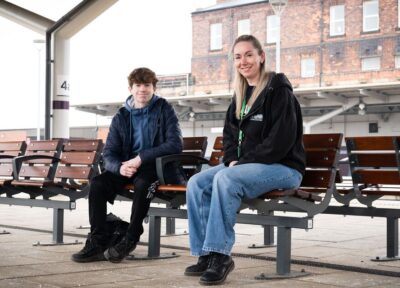
Railway Children to present at Skoll 2026
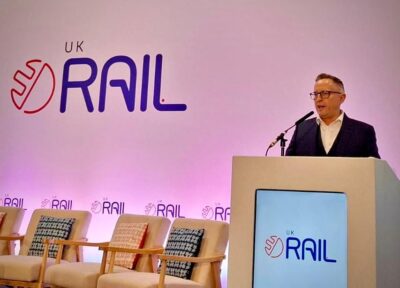
Railway Children will join partners from the Rooted Futures collaboration at the 2026 Skoll World Forum to lead an interactive session on family strengthening and child protection reform.
No child wants to survive on the streets. And, through understanding and empowerment, together, we can ensure no child has to.
Author: Lucy Carman | Date: 9th April 2026
But how do children end up on the streets? What risks do they face there? And how can we help children off the streets and into safer, happier futures?
Street-connected children (also known as street children) are children who spend significant time on streets and in public places (including parks, train/bus stations or wasteland). Many earn meagre incomes through selling small items or providing services such as washing cars or clearing rubbish, while others may be forced to beg to survive.
Street-connected children may live on the street – either alone or with their family – or work on the street during the day but have shelter to go back to at night. Either way, the streets are no place for a child to grow up – out of school, unable to access government services and vulnerable to gangs, exploitation and abuse.
We use the term street-connected children as it provides a wider understanding of the different ways children may be connected to the streets.
There are many reasons children end up on the streets. Often, family breakdown or the death of a parent causes family life to fragment. Sometimes, violence, abuse or poverty force children to leave home. Other times, neglect and a lack of provision mean children search for a better life away from home. Sometimes, children are lured by false promises of work or are escaping trafficking or harsh labour. And then there are the children who are simply lost or have become separated from their caregivers.
However children end up on the streets, they all have one thing in common. Given the choice of life on the street or a safe, stable, supported life in a nurturing family home, none of them would choose the street.
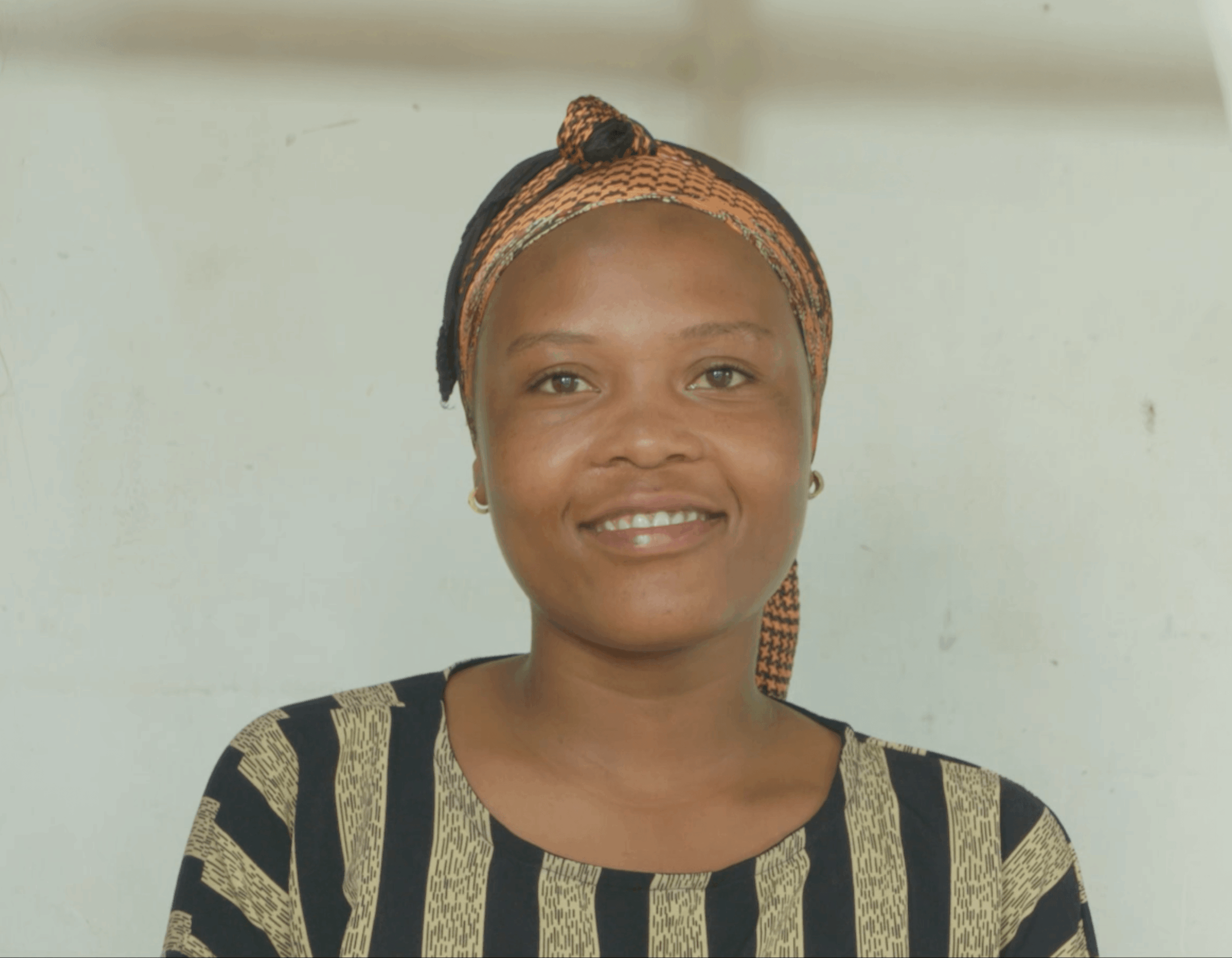
Unable to complete her secondary education and with no support or provision at home, teenage Mwajuma drifted to the streets. By the time we met, she was spending her days in dangerous and exploitative work simply to survive.
Through emotional support, training sessions and a six-month apprenticeship accessed through her youth association, Mwajuma turned her life around.
From economic hardship working in dangerous and exploitative conditions to, today, running a successful hairdressing and beauty salon.
– she says.
Play Video
Children living and working on the streets face many risks. Apart from hunger, lack of shelter and exposure to harsh conditions mean children are often ill and unable to access healthcare. Often, there is violence – from other young people on the streets or from adults who should be providing care. Many children are forced to join gangs – offering a fragile security but also placing demands on their members. And others are trafficked or pulled into dangerous or exploitative work to survive.
For many children on the street, inhaling substances such as shoe glue, petrol or paint thinners, is the only way to survive the physical, emotional and psychological hardships they endure. From numbing hunger pains to withstanding the cold to enduring physical pain or hours of harsh labour, the pull of substances which are cheap and readily available is hard to resist.
Many children are also initiated into drug use by gangs or older youths as a way of being accepted by the only people they can rely on.
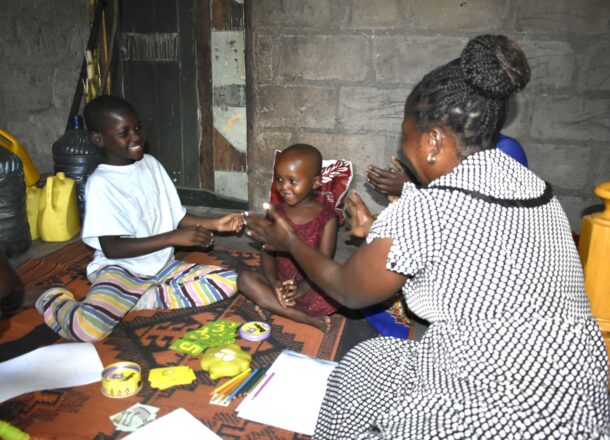
For children living and working on the streets, our street outreach workers and Child Support Desks provide safety, care and advice to street-connected children.
Where it’s possible, we will always aim to reunite children with their families and provide ongoing support to ensure the family stays together. Where this isn’t possible, we place children in secure and loving family-based settings with Fit Persons.
For young people who are too old to be placed in family settings or for whom this is not appropriate, our youth associations provide the essential support and scaffolding needed to help young people build a sustainable life away from the streets.
For many young people who have been on the streets for a long time, the possibility of earning a stable income and integrating back into society can feel daunting, or even impossible. Our youth associations, for 17–22-year-olds, aim to change that.
Within 25 groups across Dar es Salaam and Mwanza, young people are supported to build sustainable livelihoods through workplace training schemes and small business loans.
Members receive counselling and learn essential life skills while encouraging each other to reach their goals and become self-sufficient and valued members of their communities.
Through our youth associations, young people learn life skills such as sexual and reproductive health, budgeting, and effective communication, while also learning a trade and receiving a start-up grant to establish income-generation activities. Alongside access to education and healthcare, and trauma-informed counselling, this extensive package of support enables young people to build a strong, secure future so they are not pulled back into street life.
As well as building strong ties with each other through shared membership of our youth associations, young people on the programme also inspire others still on the street to join them and begin their own journey of transformation.
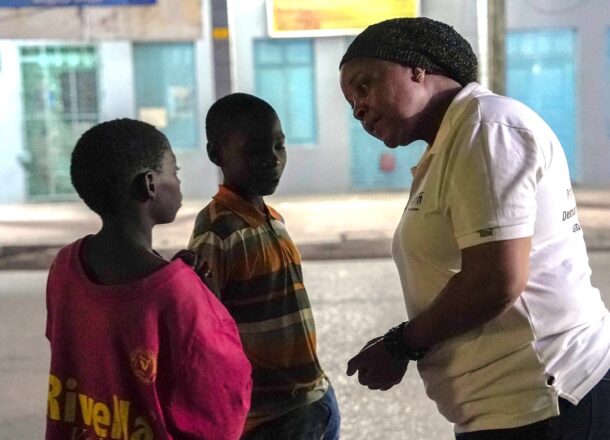
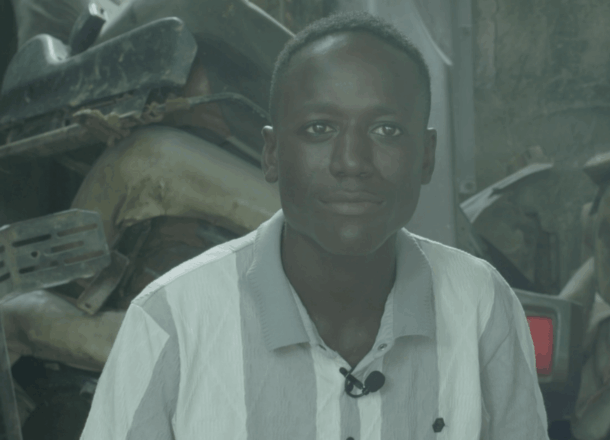
With no home and no support, life for Hamisi was about survival on the streets, where he faced hunger, danger and exploitation.
So when a Railway Children worker told him about our youth associations, Hamisi saw a chance for change. Alongside vital life skills like budgeting, sexual health and decision-making, Hamisi received emotional support and learnt a trade.
And today, He’s living the future he once thought impossible.
“Railway Children took me out of a dangerous situation and gave me a chance to work and to grow. On the streets, I struggled to survive without hope – facing hunger, illness and many challenges. Today, I have learned skills, I have a place to stay, and I can see a better future. Today, I feel peace. I feel happiness.”
– Hamisi, 19.
Play Video
Last year, the skills learnt through our youth associations, along with vital start-up grants, enabled 568 young people at risk of or already living on the streets to transform their lives.
But it costs £10,099 to run one youth association of twenty members for one year, so we can only keep reaching street connected children and young people with your help.
£20 could provide twenty young people with business skills
£65 could provide a start-up grant for a family like Mwajuma’s
£100 could provide a business grant for a young person like Hamisi
Railway Children will join partners from the Rooted Futures collaboration at the 2026 Skoll World Forum to lead an interactive session on family strengthening and child protection reform.
Over 200 supporters from the rail industry raised more than £60,000 at Railway Children’s Night At The Station event, spending a night in stations across the UK to protect vulnerable children at risk.
Through our flagship youth participation programme, Youth Platform, young people are shaping our training materials, influencing key decisions and ensuring the rail industry truly understand youth vulnerability.
No child wants to survive on the streets. And, through understanding and empowerment, together, we can ensure no child has to.
Julia, 24, grew up as a boy but knew, early on, that the gender she’d been born into was not who she was. Here, she talks to Youth Platform about her journey, and what she wishes she’d know as a ten-year-old boy.
Reflecting on the unique strengths different minds bring to Railway Children and the rich potential of the neurodivergent young people we support.