Hundreds of Rail Industry Supporters Scale British Peaks
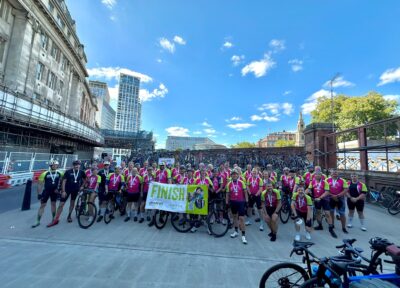
More than 270 participants took on two iconic mountain challenges this summer, raising an incredible £252,546 to help vulnerable children in the UK, India and Tanzania.
Exploitation can happen to any child, anywhere. Together, we can make the world safer for young people at risk.
On March 18th, the National Working Group on Child Exploitation (NWG) hosts National Child Exploitation Awareness Day to help people understand what child exploitation is, how to recognise it, and how they can help.
Date: 13th March 2025 | Author: Con Enzler
Child exploitation is a type of abuse toward young people under the age of 18. It’s when perpetrators force or manipulate children into doing something, often in return for a “reward”.
Perpetrators often take advantage of vulnerable children by manipulating them into harmful situations like sexual activity or drug trafficking.
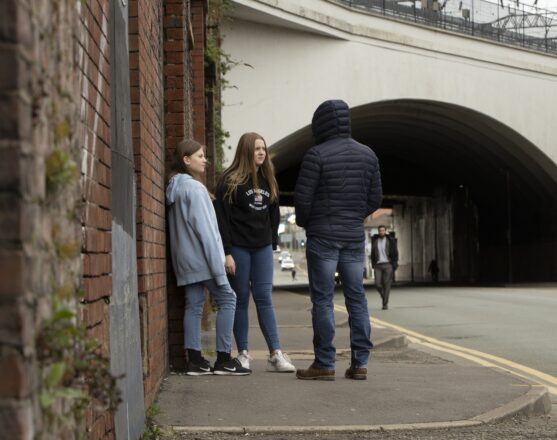
Abusers often target vulnerable children who might be excluded from school, affected by poverty, or living in care. This means children who run away from home or spend a lot of time in public spaces, like train stations, are at risk of:
One common way perpetrators coerce young victims is by leading them to believe they’re one of the few people who are on their side and willing to help them. As a result, many children believe they’re making their own choices.
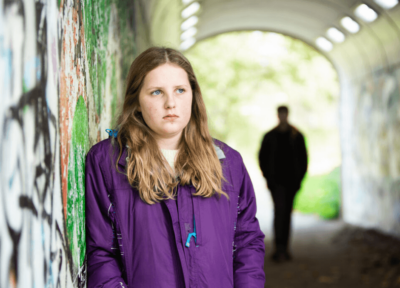
Using tactics like shame and guilt, perpetrators control their victims, often leaving them feeling trapped and believing there’s no way out.
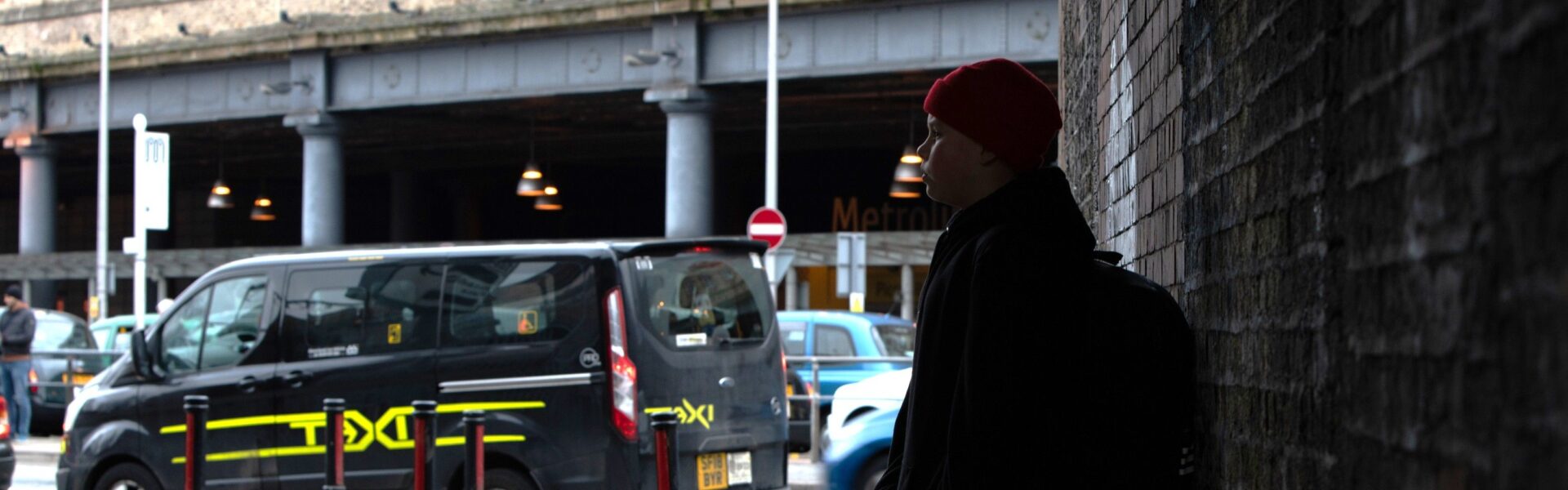
Young people who spend a lot of time along the railway are particularly vulnerable to being exploited by county lines.
These organised criminal networks exploit young people to transport drugs, often using transport links to move their illegal goods.
Railways are a common vehicle for county lines. By blending into large station crowds among other luggage-careers, they’re able to transport large amounts of illegal goods across the country while hiding in plain sight.
Children as young as six are groomed financially, or intimidated and controlled by gangs forcing them to transport drugs, cash or weapons.
No child should be left to fend for themselves. In our work across the UK, India and Tanzania, we work closely with communities in and around bus and train stations to help make them safer for young people.
Our Safeguarding Action Groups, which operate at several stations around the UK, are continually looking for new ways to keep children safe.
Made up of people from across the rail industry – Station Managers, British Transport Police Officers, ticket staff, barrier staff, shop workers, cleaners and security staff – they’re our eyes and ears looking out for children at risk.
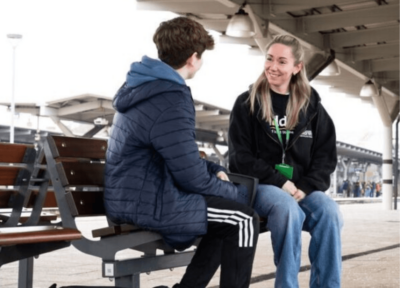
15-year old Charlie** was referred to us after he took the wrong train and was reported missing.
Charlie is believed to be autistic and his social worker and school worried he might be vulnerable to exploitation.
So Railway Children worker, Phil, came up with a plan to help Charlie understand the risks of grooming and how county lines operate, in a way that would be engaging for him.
Throughout the week, our community engagement workers are raising awareness around child exploitation in several stations, including Doncaster, Hull, Sheffield, and London Euston.
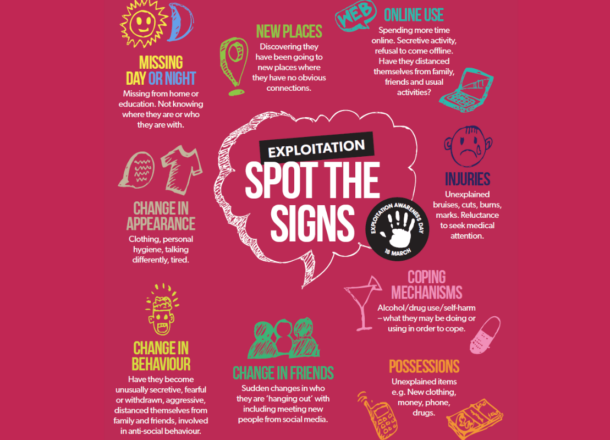
We’ll be speaking to people about some of the key issues that might make a young person vulnerable to exploitation, how to spot the signs, and most importantly, how to report something suspicious.
If you see us, come say hello. We’d love to chat.
“Everyone’s got a part to play. With small actions, we can make a big difference to young people’s lives,” Joe adds.
NWG’s Say Something if You See Something campaign helps raise awareness of the types of abuse young people experience in different spaces, sharing tools and resources to spot it and steps to help victims.
“If something doesn’t feel right, trust your instincts. Chances are, they’re right,” says Joe.
“If you report something that doesn’t look right to BTP or rail staff, you could change the course of that person’s whole life,” Joe adds.
*County lines and child criminal exploitation, The Children’s Society
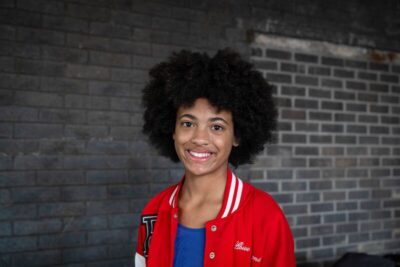
**Names changed and models used to protect identities.
More than 270 participants took on two iconic mountain challenges this summer, raising an incredible £252,546 to help vulnerable children in the UK, India and Tanzania.
More than 1,000 children learn vital skills at Leeds Station Safety Week. The flagship safety initiative – now in its 10th year – got under way at the station on Monday 15 June and runs to Friday 19 June during Rail Safety Week (15-21 June).
In a recent report, more than 40% of people said they wouldn’t know what to do if they spotted a child at risk at a train station. * That’s a statistic that Railway Children’s new interactive game, Seconds to Safety, is here to change.
Subira is a family project worker for Railway Children in Dar es Salaam, Tanzania. Here is an exploration of her work and the impact that it has as she supports street-connected children and reunites families.
Learn about safeguarding and how it relates to child protection on transport networks.
No child wants to survive on the streets. And, through understanding and empowerment, together, we can ensure no child has to.