Young voices leading the way
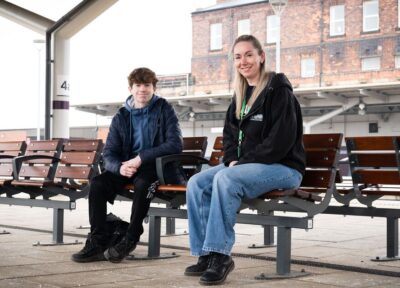
Through our flagship youth participation programme, Youth Platform, young people are shaping our training materials, influencing key decisions and ensuring the rail industry truly understand youth vulnerability.
How we empower LGBTQ+ young people to embrace their true selves
This Pride Month, we’re highlighting our work with young people who need help navigating complex feelings around gender identity and sexuality.
Date: 24th June 2025 | Author: Con Enzler
Times are changing…
In many ways, there’s more support for the LGBTQ+ community than ever before, with growing representation in the media and more acceptance.
And yet, LGBTQ+ people continue to face oppression, stigma and hatred, particularly transgender people.
Almost half of trans people in the UK have had thought about taking their own life, according to a survey by LGBT charity Stonewall*. And one in eight LGBT young people (aged 18-24) say they’ve attempted to end their life.
When young people feel excluded, they’re more likely to get into risky or dangerous situations – spending a lot of time away from home or attempting to harm themselves.
It’s our responsibility to create a world where our children and teenagers are safe, and the first step is acceptance.
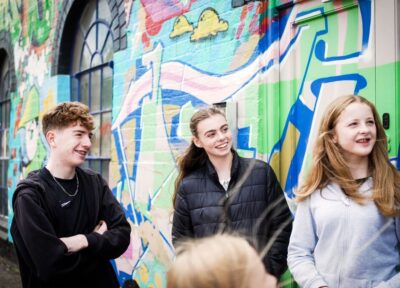
Lots of the young people we support are dealing with difficult questions and struggles around their gender identity or sexuality.
Often, they’re referred to us after running away from home or skipping school, worried about being rejected by their family or peers.
Our youth practitioner Amelia works with five young people who are LGBTQ+.
“Navigating adolescence is tricky anyways,” she says, “but on top of that, LGBTQ+ young people have to navigate those extra layers of identity and belonging.”
“It’s being talked about a lot more in the media, but there’s still that fear of rejection and the desire to be accepted in a space.”
Amelia says there’s a lot that buildings and spaces can do to make LGBTQ+ young people feel accepted.
Many of the young people Amelia helps find a sense of empowerment in being allowed to wear pride badges with their pronouns on their school uniform.
“That way they don’t have to come out every time, but people won’t misgender them,” she explains.
And when it comes to “coming out”, it’s often their peers they confide in first.
“I think young people these days are a lot more tolerant than adults are. So a lot of them will come out to their peers first, because their parents might think it’s a trend or not understand.”
Dylan, 14, was facing challenges around his gender identity and needed comprehensive support. He was initially referred to us after being assaulted by someone who was trying to coerce him to join a gang.
Claire, our Youth Practitioner, helped Dylan address the trauma from the assault and navigate his gender transition.
She encouraged Dylan to use his creative talents to express his feelings. Though his love of writing and rapping, he found a constructive way to process his experiences.
Claire also helped Dylan’s family and teachers to adjust to his new identity and use his preferred pronouns. She made recommendations to visit a GP to seek options for gender-affirming care for Dylan.
Thanks to encouragement from Claire and his teachers, Dylan eventually felt confident enough to come out as a trans man to the other students at school.
“This was an extremely positive experience for Dylan,” says Claire, “which helped him to feel accepted, less worried about being misunderstood and encouraged him to engage more with school.”
“Dylan is now more hopeful about the future and is looking forward to inspiring other young people through his rapping. He’s such an amazing person,” she adds.
Through our flagship youth participation programme, Youth Platform, young people are shaping our training materials, influencing key decisions and ensuring the rail industry truly understand youth vulnerability.
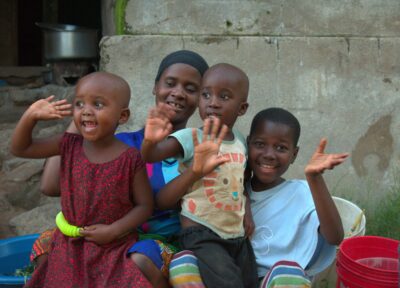
More than 25 million Tanzanians are living in extreme poverty, leaving many young women and girls vulnerable to hunger, family breakdown, and abuse.
Since launching in 2018, Railway Children’s Night at the Station has raised more than £880,000 to reach and protect some of the world’s most vulnerable children. This year, the charity is aiming to surpass the £1m mark – and is calling on the rail community and individual supporters to help reach the target.
As the UK marks Neurodiversity Week (16th – 20th March), we reflect on the unique strengths different minds bring to Railway Children, the rich potential of the neurodivergent young people we support and why we’ve established a Neurodiversity Working Group to ensure every kind of mind can thrive.
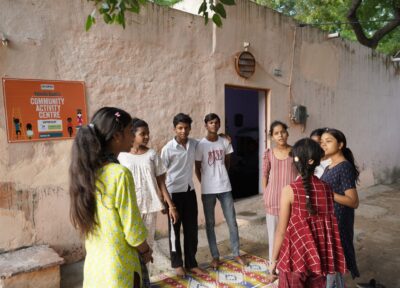
In India, Railway Children is reaching some of the most vulnerable young people through a powerful and proven approach: peer leadership.
Read our guide to claiming your compensation and learn how to easily donate it to vulnerable children.