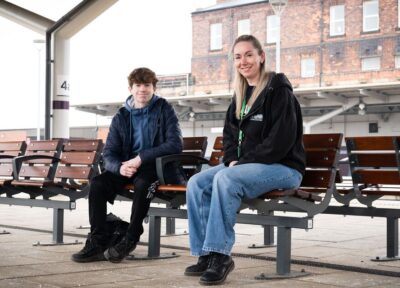
Young voices leading the way
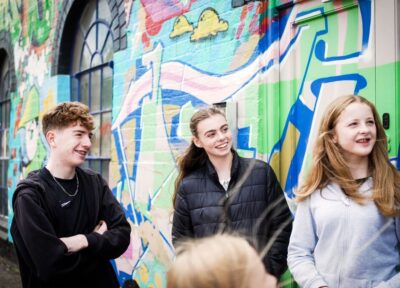
Through our flagship youth participation programme, Youth Platform, young people are shaping our training materials, influencing key decisions and ensuring the rail industry truly understand youth vulnerability.
How do young people feel on public transport?
We’re gathering young people’s stories about their experiences on transport networks across the UK, as part of research commissioned by British Transport Police (BTP).
Date: 28th May 2025 | Author: Con Enzler
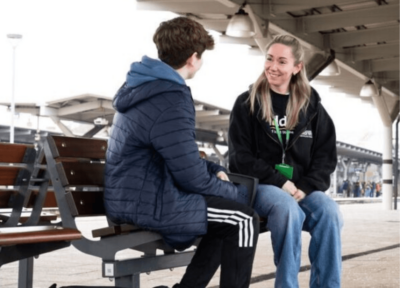
So we’re leading a series of focus groups with a range of young people involved in various agencies and youth centres around the country, to capture an accurate picture of their experiences on public transport services across different regions.
We’re asking young people questions around how safe they feel on different types of public transport, what types of situations make them feel most and least safe, and who they would approach if they need help.
James Houghton, Safeguarding Lead Operations at BTP said:
“BTPs early work with young people highlighted how vital their insights are. It reinforced the importance of actively working them on their ideas.
That’s why, as a national force, we partnered with Railway Children to capture voices across the country. Already, key themes are emerging there will help shape safer rail environments and reflect our collaborative approach” –
Joe Clay, our Safeguarding Partnerships Manager, who leads the focus groups, said:
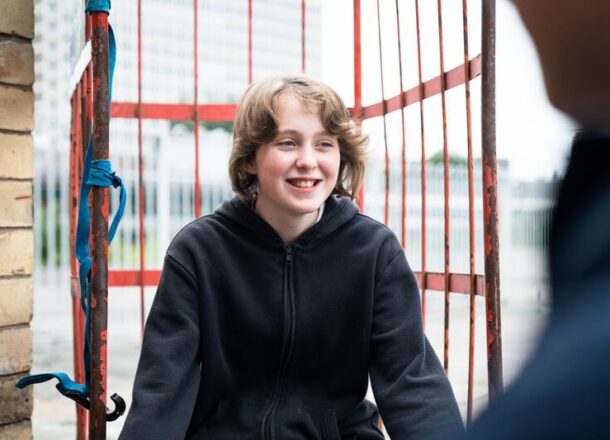
“It’s really inspiring seeing young people getting really involved in the discussions, as they share stories and open up about their struggles.”
“There’s already been really valuable insight coming out of these sessions, which BTP will use to educate officers around how young people are feeling on the network.”
The findings will give BTP a wider understanding of the types of issues young people are dealing with on public transport, to help inform how officers engage with them and ensure they’re providing the best support possible.
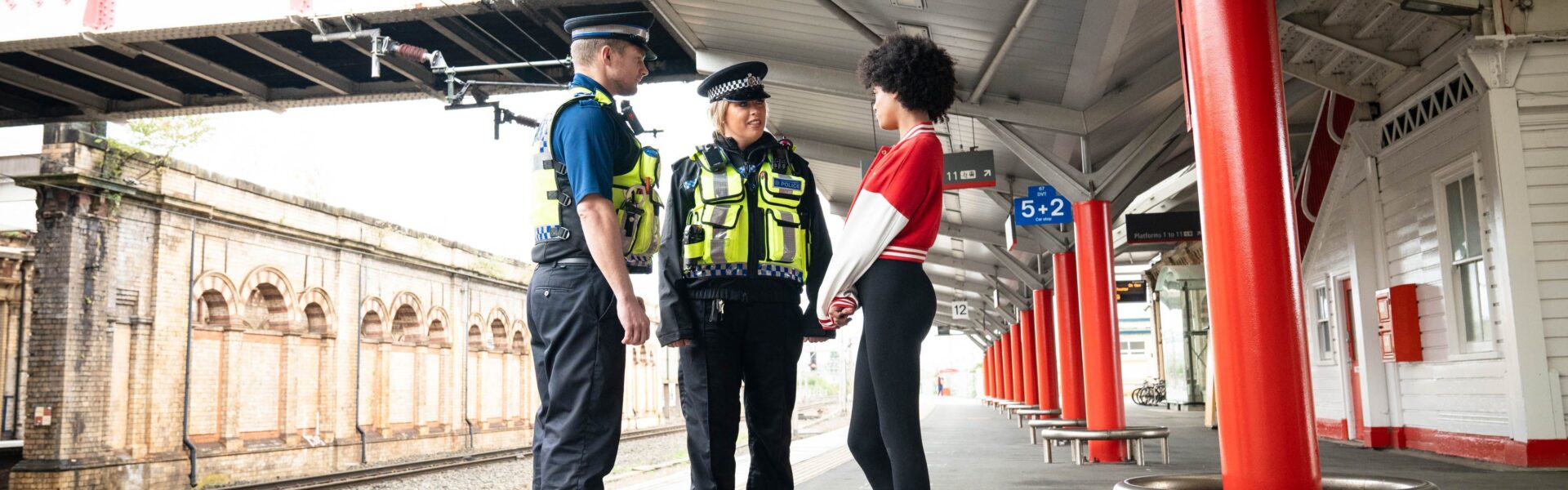
Across the UK, thousands of young people use public transport every day, travelling to and from school, and visiting friends or family.
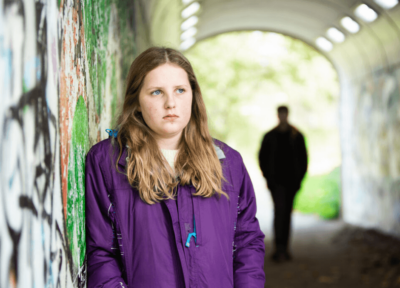
Alone on buses and trains, many are vulnerable and at risk of being exploited by gangs or abused by perpetrators.
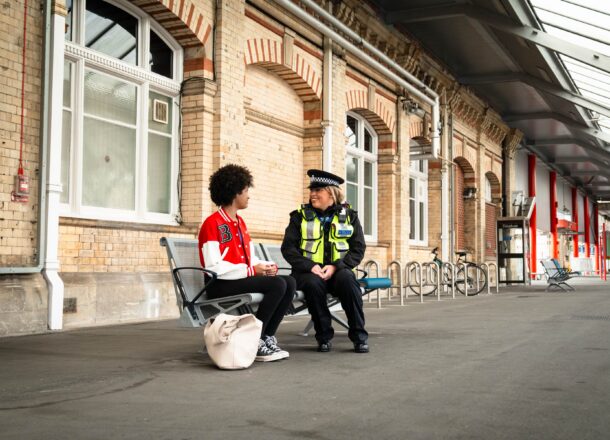
BTP officers are trained to identify and protect children at risk along the network. They work closely with social services and charities like us to intervene when necessary.
Officers patrol stations and trains, responding to welfare concerns, missing persons reports, and safeguarding incidents.
The force plays a huge role in disrupting County Lines, which exploit and groom vulnerable children and adults to transport drugs across the rail network.
BTP refer vulnerable young people to us who have been found to be at risk along the railway. We offer them bespoke, tailored support, tackling the root causes of their struggles to prevent them running away and coming to any harm.
Our Youth Participation Programme gathers the lived experience of the young people we support to help shape our work making transport hubs safer.
Through our flagship youth participation programme, Youth Platform, young people are shaping our training materials, influencing key decisions and ensuring the rail industry truly understand youth vulnerability.
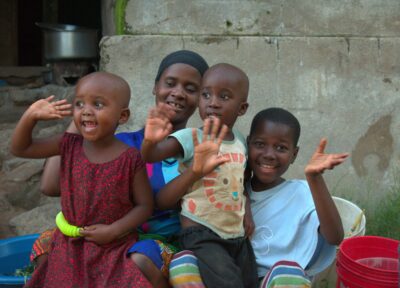
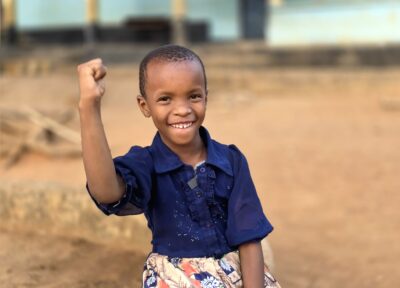
More than 25 million Tanzanians are living in extreme poverty, leaving many young women and girls vulnerable to hunger, family breakdown, and abuse.
Since launching in 2018, Railway Children’s Night at the Station has raised more than £880,000 to reach and protect some of the world’s most vulnerable children. This year, the charity is aiming to surpass the £1m mark – and is calling on the rail community and individual supporters to help reach the target.
As the UK marks Neurodiversity Week (16th – 20th March), we reflect on the unique strengths different minds bring to Railway Children, the rich potential of the neurodivergent young people we support and why we’ve established a Neurodiversity Working Group to ensure every kind of mind can thrive.
In India, Railway Children is reaching some of the most vulnerable young people through a powerful and proven approach: peer leadership.
Read our guide to claiming your compensation and learn how to easily donate it to vulnerable children.